Healthy relationships for adults with disabilities are built on the same foundation as any meaningful connection: respect, trust, communication and shared experiences. At Our House, those connections are not left to chance. They are intentionally nurtured through supportive programming, community involvement and daily opportunities to grow together.
Relationships are part of everyday life. Whether it is a friendship formed during a group activity, a bond built on a shared hobby or the confidence to communicate personal boundaries, connection plays a powerful role in independence and emotional well-being.
Why Healthy Relationships Matter
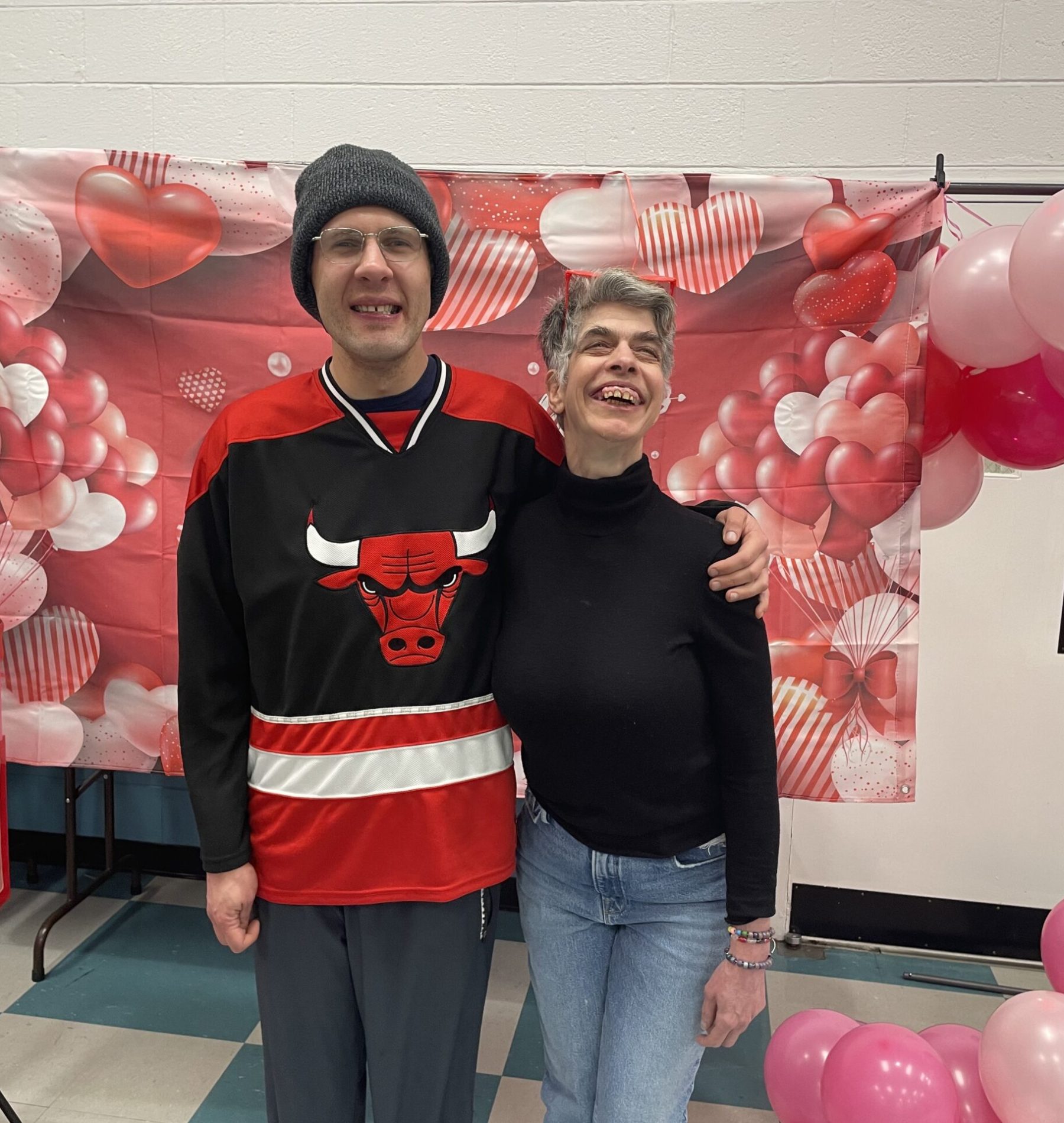
Adults thrive when they feel seen, valued and included. Healthy relationships for adults with disabilities help reduce isolation and strengthen confidence. When individuals participate in engaging day programs and community outings, they naturally build friendships rooted in shared experiences.
At Our House, participants spend their days developing life skills, engaging in meaningful activities and interacting with peers in a welcoming environment. These consistent interactions create space for organic friendships to grow.
Connection also strengthens communication skills. Practicing conversations during group projects, recreational activities and community trips allows individuals to build confidence in expressing themselves. Over time, these small daily interactions build lasting social skills.
What Makes a Relationship Healthy?
Understanding what a healthy relationship looks like empowers adults to navigate friendships and other connections safely and confidently.
Healthy relationships for adults with disabilities are grounded in:
- Mutual respect
- Clear communication
- Personal boundaries
- Trust and emotional safety
- Shared interests and positive experiences
These principles apply to friendships within a day program, peer relationships during community integration and personal connections outside of structured activities.
At Our House, dignity and autonomy remain central. Individuals are encouraged to make choices, express their preferences and build connections that feel comfortable and authentic. Staff provide guidance when needed, reinforcing communication skills and helping participants recognize respectful behavior.

Conversations about boundaries and consent are approached in age-appropriate and respectful ways. The goal is not restriction. It is empowerment. When adults understand their rights and responsibilities in relationships, they are better prepared to build healthy and positive connections.
How Our House Creates Opportunities for Connection
Healthy relationships do not happen in isolation. They grow through shared experiences and consistent support.
Our House’s day programs are designed to foster interaction and collaboration. Group activities, skill-building sessions and creative projects naturally encourage teamwork and conversation. Participants learn how to work together, celebrate successes and support one another.
Community outings are another important part of relationship building. Whether visiting local businesses, participating in events or engaging in recreational activities, individuals practice social skills in real-world settings. These experiences reinforce that adults with disabilities are active and valued members of the broader community.
Life skills development also plays a key role. As participants build independence in areas such as communication, decision-making and self-advocacy, they gain confidence in forming and maintaining relationships. Growth in one area often strengthens another.
Families and caregivers are valued partners in this journey. Open communication between Our House and families helps ensure consistent support around independence, boundaries and social development.
Expanding Social and Relationship Education through Specialized Programming
In addition to daily opportunities for connection, Our House offers structured programming designed to strengthen social understanding and relationship skills in meaningful ways.
The PEERS® Social Skills Program provides evidence-based instruction focused on building and maintaining friendships. Through guided lessons and supported practice, participants learn how to start conversations, handle disagreements, use humor appropriately and navigate both in-person and electronic communication. This structured approach reinforces the social foundations that support healthy relationships for adults with disabilities.
Our House also offers Romantic Relationships and Sexual Education Workshops, which provide age-appropriate, respectful education centered on boundaries, consent, communication and emotional awareness. These workshops are designed to empower adults with disabilities with knowledge that supports autonomy, safety and confidence in navigating personal relationships.
These initiatives were recently highlighted in the Our House Annual Report, underscoring the organization’s continued commitment to supporting healthy, informed relationships. A featured overview of the Romantic Relationships and Sexual Education Workshops can also be viewed in our video presentation (beginning at 3:41).
By offering both structured social skills development and dedicated relationship education, Our House continues to expand opportunities for connection that are thoughtful, empowering and rooted in respect.

The Role of Community and Donor Support
Programs that prioritize connection require thoughtful planning, trained staff and accessible opportunities. Community support makes this possible.
Donor contributions help sustain day programming, community integration experiences and enriching activities that encourage peer interaction. Support also allows Our House to continue expanding opportunities so that more adults can benefit from a structured yet warm environment focused on growth.
When donors invest in inclusive programming, they help create spaces where healthy relationships for adults with disabilities can flourish. They help build a community where belonging is not an exception but an expectation.
A Place Where Connection Feels Like Home
At Our House, connection is part of daily life. Participants are welcomed into a community that feels supportive, engaging and comfortable. Friendships are encouraged. Independence is celebrated. Growth happens at a pace that respects each individual.
Families exploring programs for a loved one can feel confident knowing that social development and relationship building are woven into everyday activities. Adults looking for a place to connect with peers will find opportunities to learn, engage and belong.
Supporters who believe in inclusion are invited to help strengthen programs that foster friendship and confidence. Contact us today to learn more about services, enrollment or ways to give. Together, Our House continues to create an environment where healthy relationships are nurtured and every individual feels at home.
Healthy Relationships for Adults with Disabilities FAQs