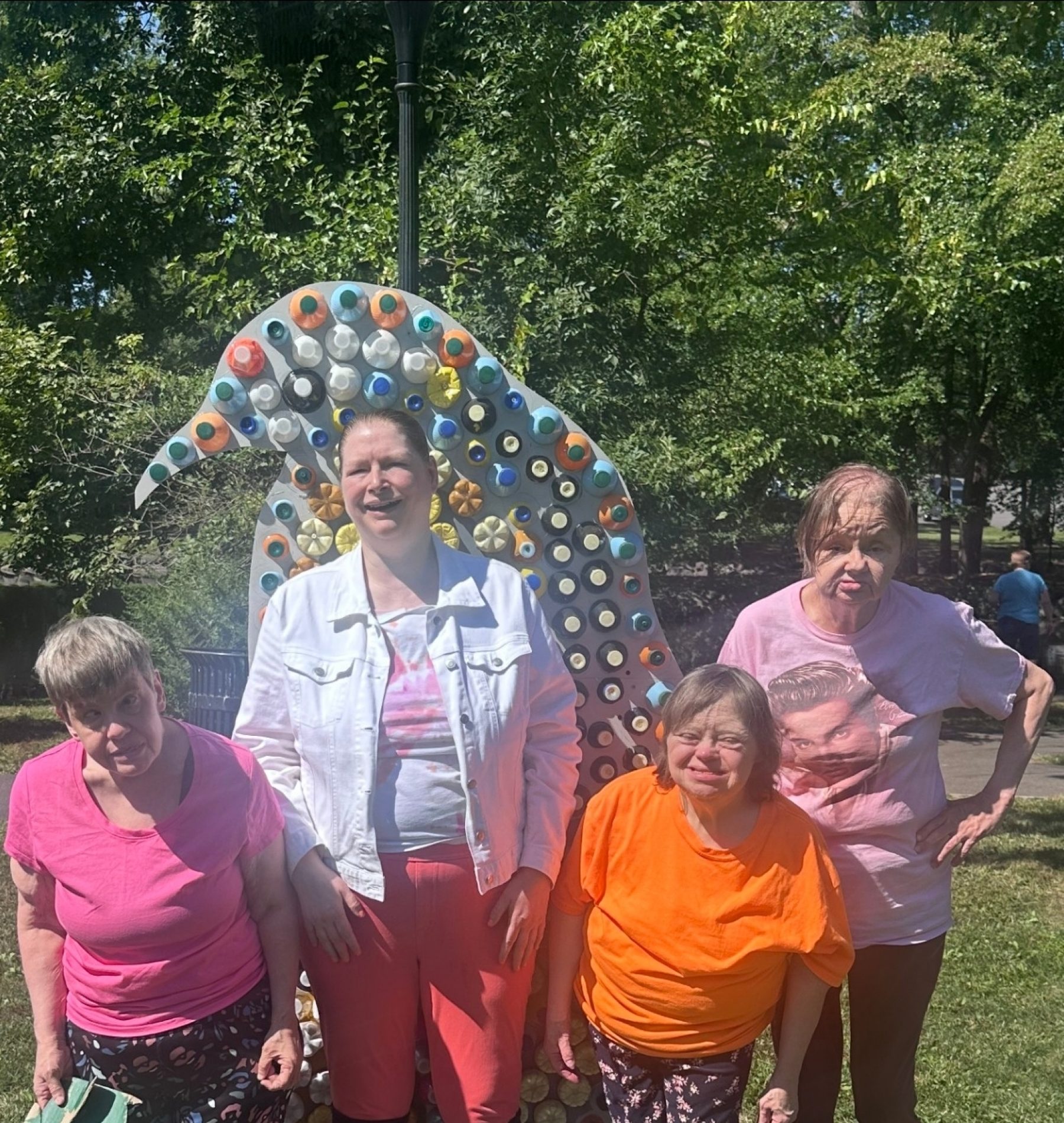
Summer has a way of connecting people. Longer days, warmer weather and a natural energy in the air make it easier to get out, try new things and spend time with people who matter. For adults with intellectual and developmental disabilities (I/DD), that opportunity is real and it deserves real support. Whether someone wants to stay active, build friendships or simply enjoy the season, there are plenty of summer activities for adults with disabilities that make all of this possible.
Why Does Summer Engagement Matter for Adults with Disabilities?
Staying connected during the summer months is about more than having fun. Social engagement, physical activity and a sense of routine all play a role in overall well-being.
When adults with disabilities have access to meaningful activities, several things tend to improve:
- Daily mood and emotional health
- Physical fitness and energy levels
- Communication and social skills
- Confidence and sense of independence
- Connection to community
Isolation is a real concern for many adults in the I/DD community. Summer activities that bring people together help reduce feelings of isolation in a natural, enjoyable way. Learn more about the full range of support available year-round through our Day Services.
What Types of Outdoor Activities Work Well for Adults with Disabilities?
Getting outside during the summer offers physical and emotional benefits. The good news is that many outdoor settings are becoming more accessible.
Accessible Community Spaces in Nature
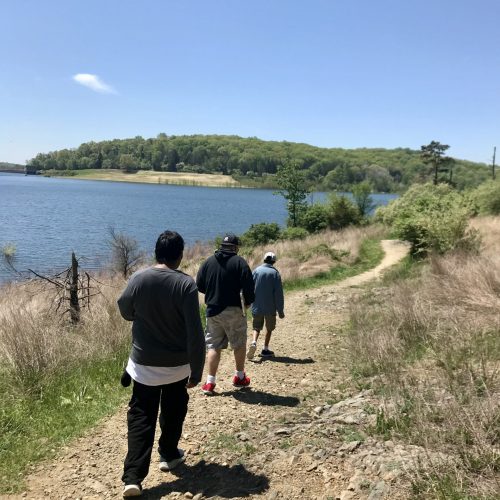
Many parks and public spaces across New Jersey offer paved walking paths, accessible picnic areas and sensory-friendly gardens. These spaces are great for morning walks, group outings or quiet time outdoors.
Botanical gardens, nature preserves and state parks often offer accessible trails with clear signage and resting areas. Calling ahead to confirm accessibility features is always a smart step before planning a visit.
Gardening as a Seasonal Activity
Gardening is a low-impact activity that many adults find both calming and rewarding. Raised garden beds make it easier for individuals with mobility limitations to plant, water and tend to flowers or vegetables.
Community garden programs sometimes welcome volunteers with disabilities, which adds a social element on top of the physical benefits. It builds routine, pride and a connection to the outdoors all at once.
At Our House, participants can also enjoy time in our new greenhouse garden at our Woodbridge Day Program. The greenhouse creates additional opportunities for hands-on learning, sensory engagement and gardening experiences. It provides a welcoming environment where individuals can help care for plants, build routines and enjoy the therapeutic benefits of nature while giving back to their community.
Staying Safe During Summer Activities
Summer activities can be a great way for adults with disabilities to stay active and connected, but it is also important to take precautions during periods of extreme heat. Caregivers, family members and support staff should encourage regular hydration, lightweight clothing and breaks in shaded or air-conditioned areas during outdoor outings.
Planning activities earlier in the morning or later in the evening can also help avoid the hottest parts of the day. Paying attention to signs of dehydration or heat exhaustion, especially during heat waves, helps ensure outdoor experiences remain safe, comfortable and enjoyable for everyone.
How Can Recreational Programs Support Summer Engagement?
Sometimes structured recreation programs offer something informal outings cannot: consistency, trained staff and built-in social opportunities. For many adults with disabilities, these programs are a cornerstone of summer engagement.
Adaptive Sports and Fitness
Adaptive sports are designed to be inclusive and modified for a range of abilities. Options like swimming, bocce ball, bowling, cycling and yoga have all been adapted for individuals with physical or intellectual disabilities.
Many recreation centers and YMCAs offer adaptive fitness classes during the summer months. These programs help participants build strength, coordination and confidence in a supportive environment.
Arts, Music and Creative Programs
Creative programs are another strong option for inclusive summer activities. Art classes, music sessions, drama groups and craft workshops offer meaningful ways to express ideas and connect with others.
These activities do not require a high level of physical fitness, making them accessible to a wider range of individuals. They also tend to encourage communication and teamwork in a relaxed setting.
What Role Does Community Play in Inclusive Summer Activities?
Community is at the heart of what makes summer meaningful. Inclusive summer activities are not just about access to programs; they are about belonging.
When adults with disabilities take part in community events, whether a local festival, a group outing or a neighborhood gathering, it reinforces their place in that community. It builds relationships and creates memories.
Families, support staff and local organizations all play a role in making this happen. Staying connected to a network of support makes it easier to plan, participate and follow through.
How Can Families and Caregivers Help Plan a Meaningful Summer?
Planning makes a big difference. A summer with some intentional structure often leads to more engagement and less stress for everyone.
Here are a few practical steps families and caregivers can take:
- Review local parks and recreation departments for adaptive programs in advance
- Talk with your loved one about what activities sound appealing to them
- Contact service providers early, as popular programs can fill up quickly
- Balance scheduled activities with unstructured downtime
- Connect with other families to share ideas and coordinate group outings
Self-advocacy matters here, too. Adults with disabilities should be part of the conversation about what they want to do this summer. Supporting that voice is one of the most meaningful things a caregiver can do.
Employment can also bring structure to the summer months. Learn how employment services can support adults with disabilities year-round.
Making this Summer Count
At Our House, we believe every individual deserves a summer full of connection, activity and purpose. We provide structured day programs, recreational opportunities and community-based support designed to help the adults we serve thrive, not just in summer, but all year long.
If you are looking for a supportive environment where your loved one can stay engaged and enjoy meaningful summer activities for adults with disabilities, we would love to connect. Learn more about us or reach out to our team to see how we can help make this summer a great one!
Summer Activities for Adults with Disabilities FAQs
Outdoor walks, adaptive sports, gardening, arts programs and community events are all strong options. The best choice depends on individual interests and abilities.
Start by contacting your local parks and recreation department, reaching out to disability service providers and connecting with family support networks in your area.
Adaptive sports are physical activities modified to accommodate a range of abilities. Common examples include swimming, bocce ball, bowling, yoga and cycling.
Regular activity and social connection support emotional health, physical fitness and a sense of independence. Without structure, summer can increase feelings of isolation.
Plan ahead, involve your loved one in choosing activities, connect with local programs early and balance structured outings with relaxed downtime at home.